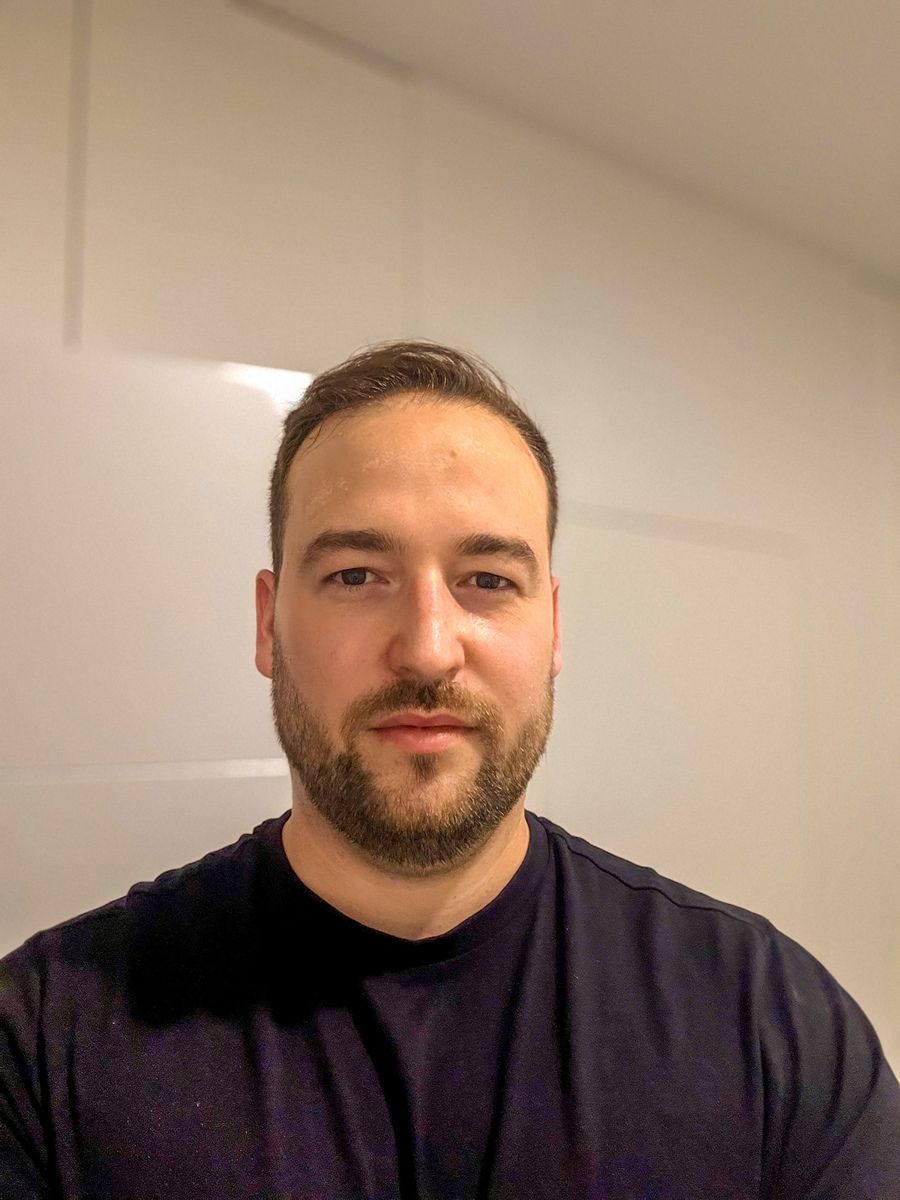
In Part II of our conversation, we explored Steve Ferreira's disruptive business philosophy and the power of his "no cure, no pay" model. This week, we dive into the main cause of errors in the supply chain: the human factor.

Steve explains that freight auditing is not about replacing people, but about giving them the tools to be better at their jobs, transforming inefficiency into an opportunity for improvement.

💬 The Talk

Fernando Roman (SC): Steve, you mentioned that errors are systemic. Do you think the fault lies with the carriers or the clients?

Steve Ferreira: Look, the errors are on both sides. It's not a matter of blame. If we're transportation auditors, we're here to audit the transportation, not to see who was at fault. Curiously, an internal auditor, a manager, or someone in finance is often not an expert in freight rates. What I've realized over the years is that they often get their training and knowledge from the vendors.

Fernando Roman (SC): So, the vendors are educating their clients... that's a conflict of interest.

Steve Ferreira: Exactly. I always say that 99% of companies are paying for things they shouldn't, because no one is telling them the truth. My job isn't to replace a logistics manager or an internal auditor. My job is to give them the tools and education to understand the real structure of their contracts, which are often so complex that no one fully understands them.

Fernando Roman (SC): I see. So, your service is a way of empowering internal auditors.

Steve Ferreira: Yes. At its core, we are an educational tool. It's more than just recovering money. It's about teaching the company what kind of errors they are making so they can correct them in the future. It's a continuous learning process for the entire supply chain.

Fernando Roman (SC): Have you encountered much resistance in offering this "education"?

Steve Ferreira: Most people welcome us. Nobody wants to make mistakes. When we show them where the faults are in their processes, they see it as an opportunity to improve, not as a criticism of their work. Our success is based on this collaboration, not on confrontation.

💎 Key Takeaways from the talk

As I reflect on my conversation with Steve, here are some key takeaways:

  • Errors are systemic, not personal: Inefficiency isn't a person's fault, but the result of complex systems and a lack of education.

  • The Power of Education: Logistics auditors and managers often learn from their vendors. The key is to offer an independent source of knowledge.

  • Empower, Don't Replace: The role of an expert is not to replace people, but to give them the tools and insight to be more efficient and successful.

This is the third part of a fascinating conversation. Next week, in Part IV, we'll have the last part and will discover the secret of Steve's hyper-specialization, his "one-trick pony" philosophy, and how this discipline has led to his unprecedented success.

To ensure you don't miss the next installment, be sure to subscribe to Sunday Compass: www.sundaycompass.com/subscribe

Thank you for reading and have a great week!

Keep Reading