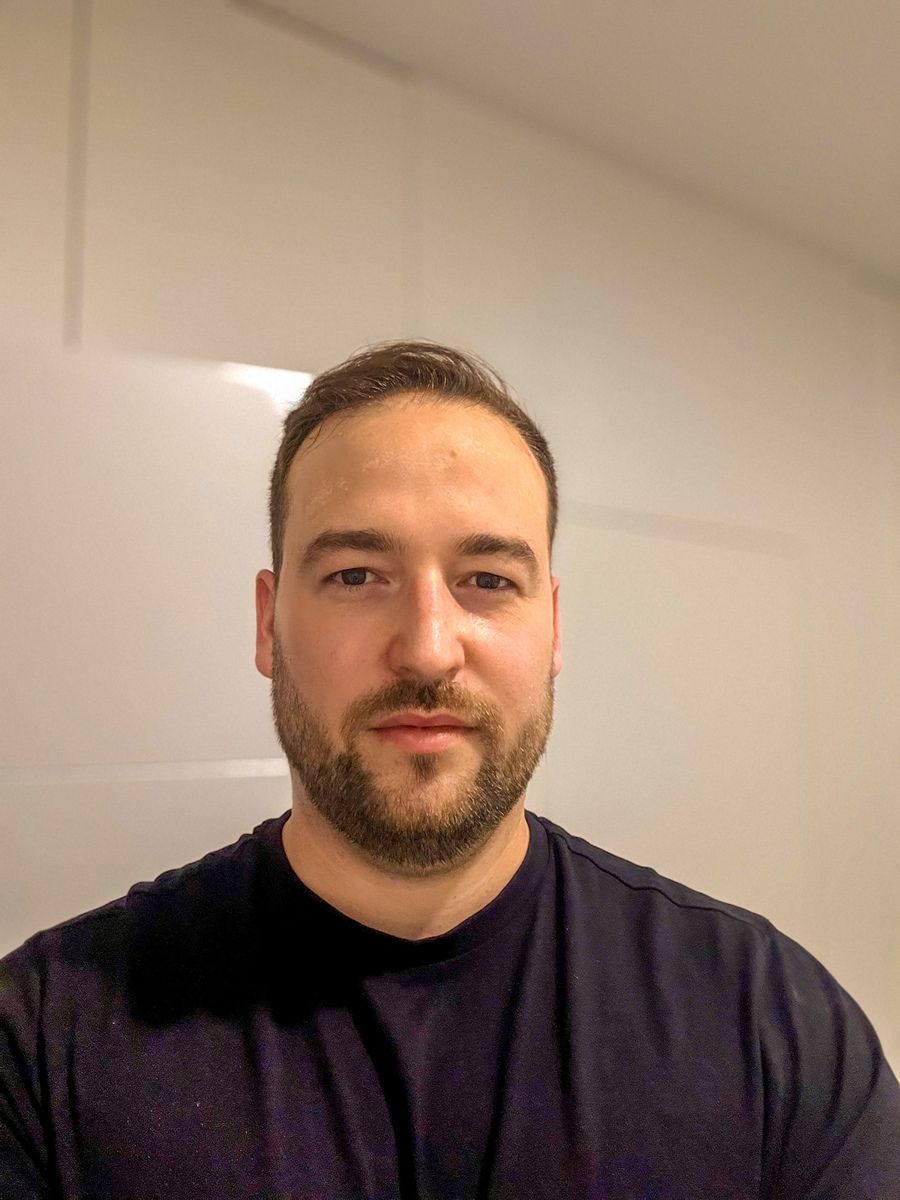
In this second edition of The SC Talks, I had the privilege of sitting down with Steven Jones—a maritime professional whose life and career are deeply intertwined with the sea. From his first voyage at the age of seven to his pioneering work in maritime security and seafarer well-being, Steven’s journey is as rich as it is instructive. In our conversation, he shared candid insights on industry challenges, the evolving digital landscape, and the importance of innovation and human expertise. Let’s dive into this in-depth discussion.

💬 The Talk

Fernando Roman (SC): Steven, first of all, thank you for joining us on The SC Talks. Can you start by introducing yourself and sharing how your journey in the maritime industry began?

Steven Jones (Steven): Yeah, sure. Well, I'm a former seafarer, but I think, probably even more importantly than, I'm the child of a seafarer, and many more generations before that. So I actually went away to sea when I was about 7 years old, on a container ship going from Liverpool over to the Caribbean and around Central America. So from the very earliest ages, I'd kind of been at sea. I worked on cable ships most of the time. So laying and repairing submarine cables all over the world for cable and wireless and a global marine before moving ashore, studied the Liverpool, John Moores, and then kind of the journey of the shore career began. I worked in marine fraud investigations within P&I Club and it's been quite a fascinating journey across all aspects. A fantastic career with the chance to travel the world and keeping thankfully my focus on seafarers.

(Even as a child, the call of the sea was undeniable. That early exposure set the stage for a lifetime immersed in maritime operations—from working on cable ships to transitioning into security and writing.)

SC: How do you see, with your experience starting at a very young age, that life at sea has changed from when you started?

Steven: (Steven reflects on the improvements and challenges over time, noting that shipping has traditionally been a working-class opportunity to see the world and effect change. He also mentions that while he’s grateful for the opportunities shipping provided him, many seafarers are not as fortunate, emphasizing the importance of giving a voice to all.)

SC: Your early experiences clearly shaped your career. What made you shift from life at sea to focusing on maritime security and fraud prevention?

Steven: Fraud in the maritime sector is more sophisticated than ever. Companies need to stay ahead by leveraging technology and fostering a culture of transparency.

SC: Okay, and how could you think the shipping companies and the seafarers can protect themselves against fraud?

Steven: I mean, in the main, shipping companies are pretty good at it below certain levels within industry. You know, we have such good companies that are doing great things. But they're at the very top of that kind of industrial food chain, if you like. Good big companies that we all recognize their names and the color of their ships, etc. As soon as you start to go further down that chain, things become very different. So fraud happens, owners tend to be better equipped to deal with it. But you can have all kinds of different fraud, some of them are big scale and they are so difficult to deal with, so I'm not always sure that we equip people well.

SC: You’re also known for your work with the Seafarers’s Happiness Index. What inspired this initiative, and what does it reveal about life at sea?

Steven: Seafarers are the backbone of global trade, yet their voices often go unheard. The Happiness Index is about giving them a platform to share their experiences and drive meaningful change.

The Index has shown us that connectivity, mental health, and fair working conditions are paramount for crew welfare. It’s a powerful reminder that behind every ship is a human story that deserves to be heard and supported.

SC: Which are the key measures or aspects you are paying most attention to? How does it work—do you have a score, or how do you measure?

Steven: (Steven explains that the framework includes factors like connectivity, working conditions, fatigue, and overall job satisfaction. It's not just about a score but about identifying critical areas for change.)

SC: Love it. And you mentioned a recap of the last 10 years. Do you see any trend—are things getting better or worse? How far has the industry moved from the past to now?

Steven: (Steven reflects on the trends over the past decade, noting some improvements in connectivity and mental health awareness, yet persistent challenges in working conditions and career development remain.)

SC: In the index, did you find something alarming—something you were not expecting?

Steven: (Steven notes that while many trends were anticipated, certain issues—particularly around crew dissatisfaction and fatigue—were more pronounced than expected.)

SC: And what are the ship owners and operators saying in response to these index results?

Steven: Yes, yeah. And it still staggers me even to talk about it now, because we are talking over a connection in the 21st century, you know, and the seafarers that don't have enough fresh water to drink. I think it was a kind of hangover from Covid and I think many vessels clearly weren’t having the inspections or surveys they should have been having.

SC: I recall from my own work experience in agency that there are noticeable differences from one vessel to another—some where the crew is genuinely happy, and others where conditions leave much to be desired. What's your take on that?

Steven: (Steven agrees, emphasizing that these differences highlight the urgent need for industry-wide improvements to ensure consistent, fair conditions for all seafarers.)

SC: That’s incredibly important. Now, let’s talk about the broader trends in the maritime industry. What do you see as the major shifts shaping the future of shipping?

Steven: We’re at a pivotal moment. Decarbonization is reshaping operations with alternative fuels like LNG, hydrogen, and even ammonia beginning to replace traditional energy sources. Digitalization is also accelerating; smart ships, automation, and data-driven decision-making are revolutionizing how we operate. Furthermore, the industry faces a challenge in recruiting and retaining new talent.

“The maritime industry has always been built on innovation. Those who look ahead, embrace change, and support seafarers will lead the way forward.”

SC: Innovation is clearly a driving force. How do new technologies like AI, blockchain, and automation impact the sector?

Steven: Technology is transforming our world—at sea, it’s no different. AI-powered systems improve route planning and efficiency, while blockchain offers unprecedented transparency in shipping transactions. However, we must remember it’s about striking a balance, adopting new tools while ensuring that the human touch remains central to decision-making.

“Technology should be an enabler, not a replacement for human expertise. The best outcomes come when people and technology work together.”

SC: Bringing it back to your early days—what advice would you give to young seafarers starting their careers?

Steven: The best decision I made was to specialize in ships that actually did things rather than just moved things. I think there will always be that human connection to the sea—the need to explore and be part of the ocean in a more connected way. For me, it was cable ships. The skills and knowledge I gained elevated me both in my career and personally, giving me pride in having those abilities. And I think that to me is the advice that I would have given myself.

I would have told my younger self to be more certain that a shipping career, rather than a seagoing one, was the right path—not seeing moving ashore as a failure. Having proper stepping-off points in a career, like spending a few years at sea, getting qualified, and gaining experience, allows for flexibility if things change.

As we work toward making seagoing more inclusive, it's important to recognize that if life at sea isn’t right, there are other careers. But we shouldn’t lose the willingness, bravery, passion, and intelligence of those drawn to the ocean. There's far more water than land, and if we lose our connection to the sea, it will be hard to get back.

Humanity has always pushed forward, literally going over the horizon. It has led to great achievements and terrible mistakes, but that drive has always propelled progress. If we become purely land-based and driven only by technology, that’s a worrying place to be.

That’s what I would have told my younger self. He would have shrugged, rolled his eyes, told me to shut up, walked off, and not listened—but realized 30-odd years later that I was right.

SC: Before we conclude, what do you see as the future challenges and opportunities for the maritime industry?

Steven: I believe we’re at a turning point. The challenges—be it cybersecurity, fraud, or the pressures of decarbonization—are significant. Yet, they also present enormous opportunities for those willing to innovate.

“The maritime sector is at a crossroads. Companies that embrace innovation while prioritizing people will be the ones that thrive.”

The future is about integration: merging traditional maritime practices with cutting-edge technology to create a safer, more efficient, and sustainable industry.

SC: Thank you Steven, for for the chat. It was very interesting. I love it. And thank you for taking the time to to be here with me

💎 Golden Nuggets from Steven Jones

As I reflect on my conversation with Steven, here are some key takeaways:

  • Early Passion Pays Off: The seeds planted in early experiences can lead to a lifetime of passion and success in the maritime world.

  • Adaptability is Crucial: The ability to evolve with technological advancements and shifting industry demands is essential.

  • Human Connection Matters: Behind every technological advancement, there is a need for human insight and empathy.

  • Innovation Drives the Future: Embracing new technologies while maintaining a focus on people and sustainability is the way forward.

  • Voice of the Seafarer: Initiatives like the Seafarers’ Happiness Index remind us that improving crew welfare is not just good business—it’s essential for safety and efficiency.

Thank you for reading this in-depth conversation on The SC Talks. I hope Steven’s insights inspire you as much as they have inspired me. Don’t forget to subscribe to Sunday Compass to never miss an edition of our engaging talks on the future trends.

📲 Where to Find Steven

Thank you for reading and have a great week!

Keep Reading