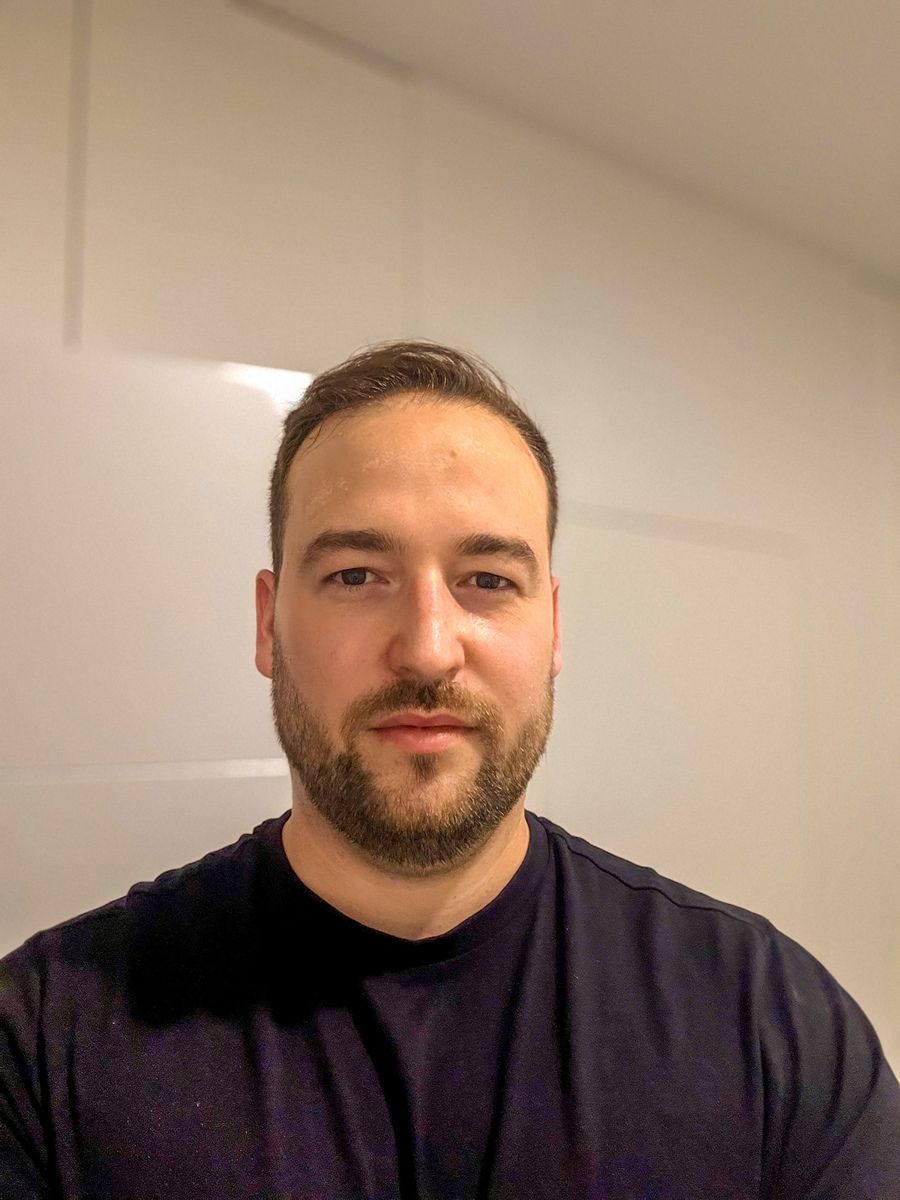
Welcome to the first edition of The SC Talks. In this first conversation, I had the privilege of sitting down with Nick Chubb, founder of Thetius, a maritime technology research firm that’s shaping the future of the industry. From his adventurous start as a deck cadet to becoming a thought leader in maritime innovation, Nick’s journey is as inspiring as it is insightful. In this conversation, Nick shares his experiences, challenges, and vision for the maritime sector, offering a wealth of wisdom for professionals and enthusiasts alike. Let’s jump right in!
💬 The Talk
SC: Nick, first of all, thank you for joining us. Can you start by introducing yourself and your background?
Nick: Sure! I’m Nick Chubb, founder of Thetius, a specialist maritime technology research firm. Our mission is to equip maritime leaders with the information they need to make the right decisions about emerging technologies. My journey began at sea—I trained as a deck cadet at 19 and later became a deck officer. After stepping ashore, I transitioned into technology and eventually founded Thetius to bridge the gap between maritime and tech.
SC: What drew you to the maritime sector in the first place? Was it a family tradition or something else?
Nick: Actually, it was neither! I had no family in the industry and didn’t grow up near the sea. I just wanted to travel and was intrigued by the idea of an adventurous career. While exploring options online, I stumbled upon maritime training. At the time, I had two choices: study music at university—which wasn’t promising since I was a terrible musician—or train as a deck cadet in the UK’s funded system. It felt like a no-brainer.
SC: How did your time at sea shape your career?
Nick: Going to sea is an incredible entry point into maritime. In just four years—three in training and one post-qualification—I gained invaluable insights into how ships and operations work. Even though I didn’t stay long at sea, that foundation has been crucial in my shore-based roles.
SC: What led you to transition from maritime operations to technology? Was it part of a plan?
Nick: Not at all—it was more accidental than strategic! After moving to London for personal reasons (I followed my now-wife), I struggled to find a job in shipping. Eventually, I took a sales role at a tech startup in Shoreditch, London’s answer to Silicon Valley. Immersing myself in that vibrant tech scene made me realize how little technology was being applied in maritime—a huge opportunity waiting to be explored.
SC: I’m curious about this one, while all of these was happening, you had the time also to run one of the world’s toughest marathons—the Marathon des Sables. What inspired you to take on such an extreme challenge?
Nick: About ten years ago, I decided to push my limits and signed up for this six-day, 250-kilometer race across the Sahara Desert. You carry all your food and equipment on your back; only water is provided at checkpoints. It was brutal but transformative.
SC: Any good experience you can share with us?
Nick: One moment stands out: I ran out of water in a vast dune field under scorching heat. Exhausted and ready to use my emergency flare for evacuation, I climbed one last dune—and finally spotted the next checkpoint in the distance. That experience taught me resilience and expanded my understanding of what’s possible.
Doing those kinds of things definitely makes the rest of life a bit easier
SC: Let’s shift gears to technology. How do you see digitalization evolving in the maritime sector?
Nick: Maritime is highly innovative but historically lagged behind other industries in digitalization due to high satellite communication costs and risk aversion. That’s changing now as costs drop and pressures like decarbonization drive investment in new technologies. For example, AI adoption in maritime has tripled within 12 months—last year alone, $4.13 billion was spent on AI solutions.
SC: How does Thetius help maritime leaders navigate these innovations?
Nick: We combine publicly available data with primary research—surveys, interviews, benchmarking—to create actionable insights through our database, Thetius IQ. This helps clients sift through hundreds of options and identify technologies best suited to their needs. We also maintain ongoing relationships with clients via subscriptions, ensuring continuous feedback loops that refine our research.
SC: May I take advantage of your unique position to ask if you could share some insights on the promising technologies that are shaping the future of shipping?
Nick: Several areas stand out:
Intelligent Process Automation (IPA): By layering AI over automation systems, we’re overcoming shipping’s many edge cases, enabling more efficient operations.
Decarbonization Tools: Technologies like wind-assisted propulsion are making surprising comebacks.
Autonomy: Unmanned bridges could soon become commonplace on deep-sea vessels.
Energy-Saving Devices: Measuring their long-term impact on emissions is an exciting frontier.
Sometimes disruptive technologies don’t look high-tech—take containers or sails—but they transform industries
SC: What are common challenges companies face when adopting new technologies?
Nick: Two big ones stand out:
Lack of Strategy: Many companies chase trends without clear goals or budgets.
Underinvestment in Change Management: Technology alone doesn’t solve problems; teams need training and behavioral shifts to unlock its full potential.
Technology is just a tool—it helps you do things faster or cheaper but requires people to change how they work
SC: Where do you see Thetius heading in the future?
Nick: As technology evolves faster than ever, our goal is to remain the leading information provider for maritime tech decisions. While we can’t predict which technologies will dominate decades from now, we’re confident we’ll be there guiding industry leaders.
SC: Finally, I’d like to conclude the interview with a tradition we have in Sunday Compass, where I always end with an inspirational piece of advice or a meaningful quote I’ve come across. To close this conversation, could you share one piece of advice for someone aspiring to grow or develop their career in the maritime sector?
Nick: I believe it’s easy to get caught up in overanalyzing and overthinking when deciding what to do next. In my experience, taking action often provides far more valuable feedback than spending excessive time researching or planning. So, if you ever feel stuck or are trying to advance your career, my advice would be to cultivate a bias for action. Sometimes, this could be as simple as picking up the phone and having a conversation with someone, rather than endlessly reading or researching a topic online. You can achieve so much more by asking yourself, What action can I take right now—today, in the next five minutes, or within the next hour—to make progress? Grand plans are great, but progress often starts with small, immediate steps. So, if I were to distill my advice into one key takeaway, it would be this: develop a bias for action.
SC: Nick, once again, it’s been an absolute pleasure meeting you. This conversation was truly fascinating, and I sincerely thank you for the opportunity to have you join us on Sunday Compass.
💎 Golden Nuggets from Nick Chubb
As I reflect on my conversation with Nick, here are some key takeaways:
“Have a bias for action.” Don’t overthink; start small and iterate—progress comes from doing.
Resilience matters—in business or running marathons—because pushing limits redefines what’s possible.
Disruption often hides in plain sight (e.g., containers or sails). Innovation isn’t always flashy but can be transformative over time.
Success with technology isn’t just about tools; it’s about people embracing change through clear strategies and proper training.
Nick’s journey reminds us that whether navigating sand dunes or uncharted waters in tech adoption, perseverance and curiosity are your best allies.
I hope you enjoyed this new content . Don’t forget to subscribe to ensure you never miss future talks!
📲 Follow Nick
LinkedIn: https://www.linkedin.com/in/nickchubb/
Thetius: https://thetius.com/
